
Doing virtually nothing in Panama
After Lima, it was in a plane and off to Panama for a short week in the country. While my ear infection had started to improve my last few days in Lima, the flight set me back, as I landed and the sensation of having a nail pounded into my head returned. Fun. I really shouldn’t have flown, so count that as the first thing I shouldn’t have done.
Anyway, I was a poor excuse for a human for all three days in Panama City. I’d at least make it to breakfast, as the mornings were typically the least painful, but beyond that I could handle a couple hours of touristing at most. Of course, I forced myself to do a bike tour of the city, another unadvisable thing, considering my equilibrium was off and I couldn’t hear out of one ear.
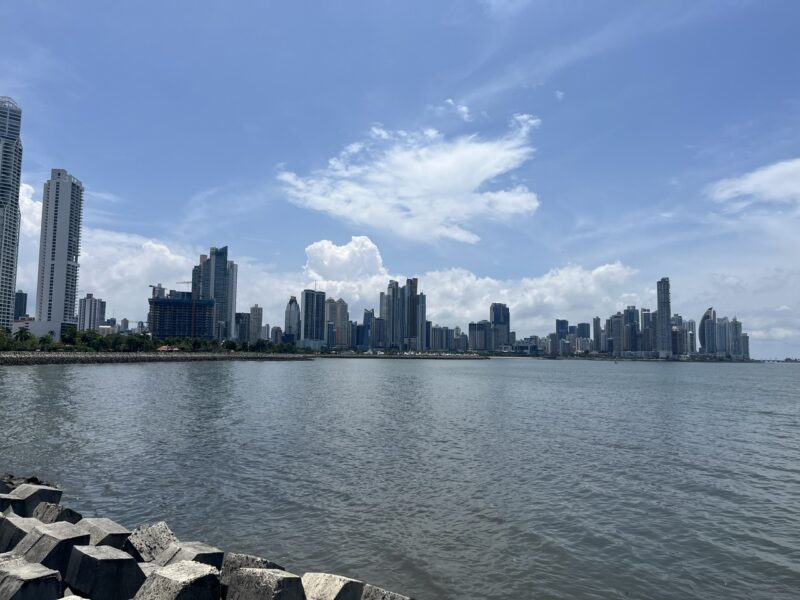
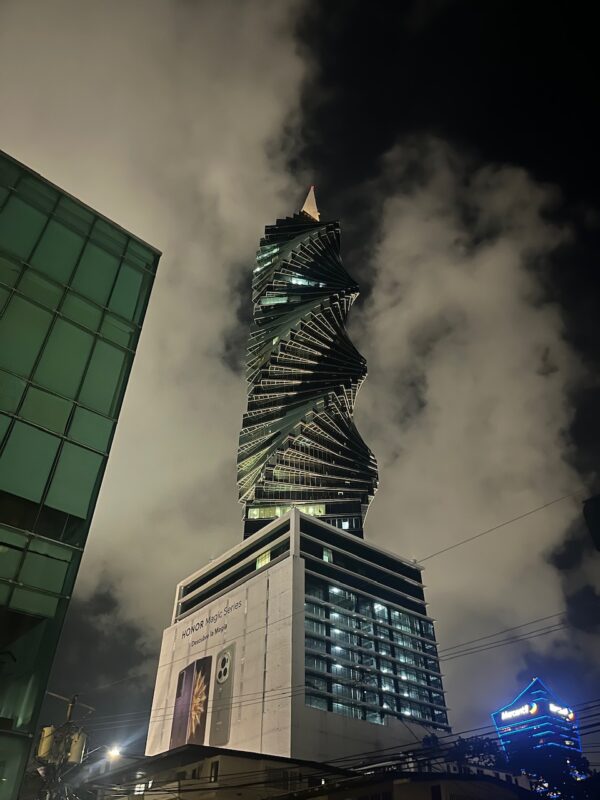
The city is…meh. The old town is cool but small, there’s some interesting architecture, but it didn’t leave me wanting to go back like most of the cities in SE Asia did (e.g., Bangkok).
The Panama Canal and something(s) you probably didn’t know
Of course, no trip to Panama City would be complete without seeing the canal, so I forced myself out of the air conditioned hotel room to go visit. It’s impressive seeing the massive ships up close, and that’s before realizing that biggest ships go through locks that can’t (yet) be visited.
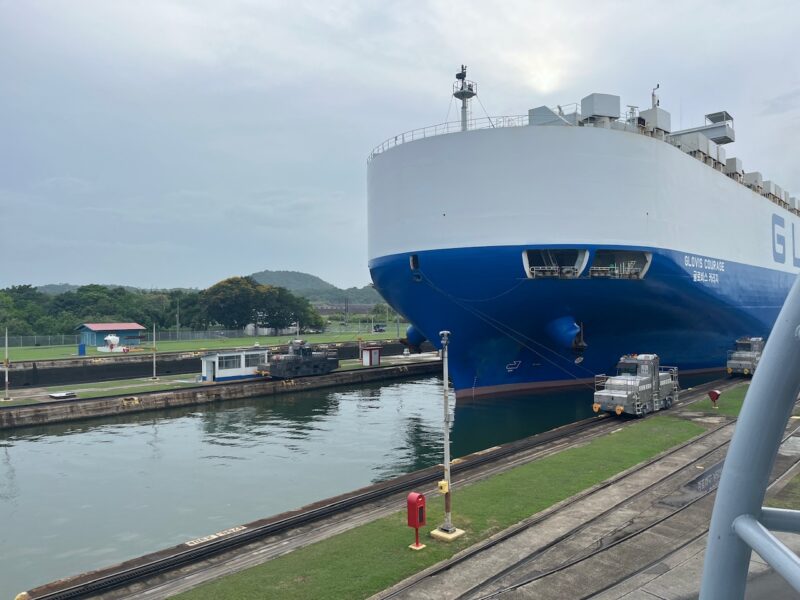
So, some fun facts. The French actually started building the canal, and despite about 20,000 French workers dying for the cause, they couldn’t finish it. Guess that fact isn’t so fun. Anyway, the Americans then bought it, took over and finished it, granting ourselves the land as well. It was an American territory in Panama, completely off-limits to Panamanians, who unsurprisingly thought that was kinda shitty. President Carter finally turned over the canal to the Panamanians, much to the chagrin of our military and economists, and to the worry of global industry, but the Panamanians have operated it quite efficiently ever since.
They recently expanded it, allowing for the passage of 366-meter long ships capable of transporting 120,000 tonnes of cargo. More than three football fields long and capable of carrying 600 million mens L t-shirts (to visualize 120kt). Bonkers. For those commercial freight ships, it costs a $300,000 flat fee plus a cost per ton of the cargo to use the canal. In the t-shirt example, it’d be a little over a dollar, so the total fee for use would be just shy of $450,000, or $0.0007 per t-shirt. A rounding error that contributes about $5 billion to Panama’s economy every year.
Anton Valley
My ear issues were improving again, and I was already filled with self-loathing for having wasted away a week between Lima and Panama City, so I ventured inland and upwards into the Anton Valley. I got a nice hike and a nice bike ride in, my only taste of Panamanian jungle, before heading back to Panama City to fly to Honduras. This was a very boring paragraph, sorry.


Honduras
Comayagua
By the grace of the gods, the flight to Honduras didn’t set my healing process back, so I was instantly upbeat. The city, though not one of the sketchiest in sketchy Honduras, was also not one of the safest or wealthiest, meaning my movement was limited to the historical center during the day. Fine. Particularly because there wasn’t so much to see, a few blocks of well-kept colonial buildings, the western hemisphere’s oldest clock, and not much else.

(Operational for 900+ years and running!)
Utila
From Comayagua it was 24 hours of bus, flight, ferry to get to Utila, an island in the Caribbean with the cheapest scuba diving certification in the world. Being in the Caribbean also meant that conch fritters are back on the menu, bringing back good memories of my dad pronouncing it “conk” and my brother and I deliberately annoying him by calling it “chonch”. It’s the small things in life, ya know? Also, teenagers are assholes.
Anyway, Utila is a tiny little town catering to divers and those learning. Not much to do beyond diving, but relaxing is also nice.
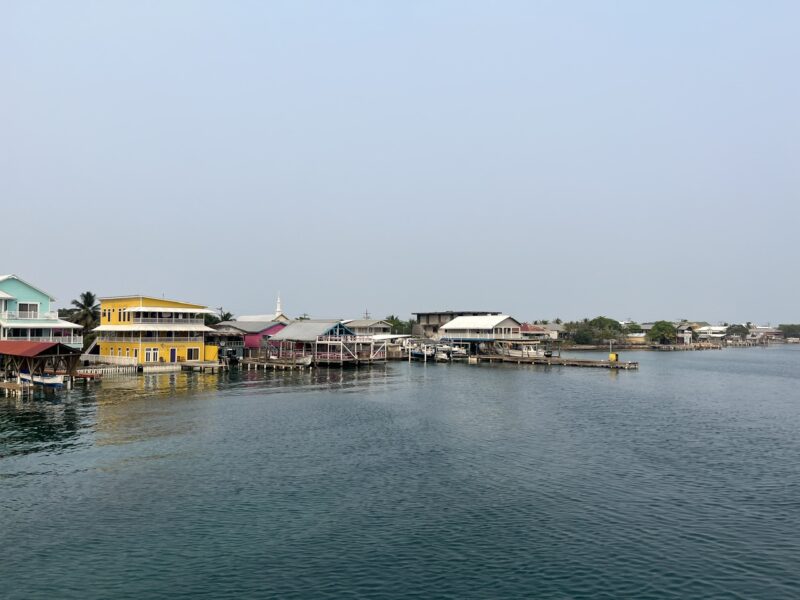
Buoyed by optimism from the pain-free flight (water pun!), I decided to give the scuba certification a shot. Sure, even on dry land I felt like my ear was under water, and sure, I couldn’t clear the pressure, but my ENT brother didn’t tell me not to try, so I went for it. Not smart, but that hasn’t stopped me in the past :)
While it was clear I wasn’t fully healed, amazingly enough I actually could clear my ears, albeit slowly, so nothing ruptured, no bloody scuba masks, etc., all the way down to 18 meters. So I got my open water certification, yay! And the reefs around the island were pretty great. Large and healthy, though not so much sea life. Still, saw a few cool things, and importantly, I’m now ready for Belize, which should be some of the best diving in the world.
Copan
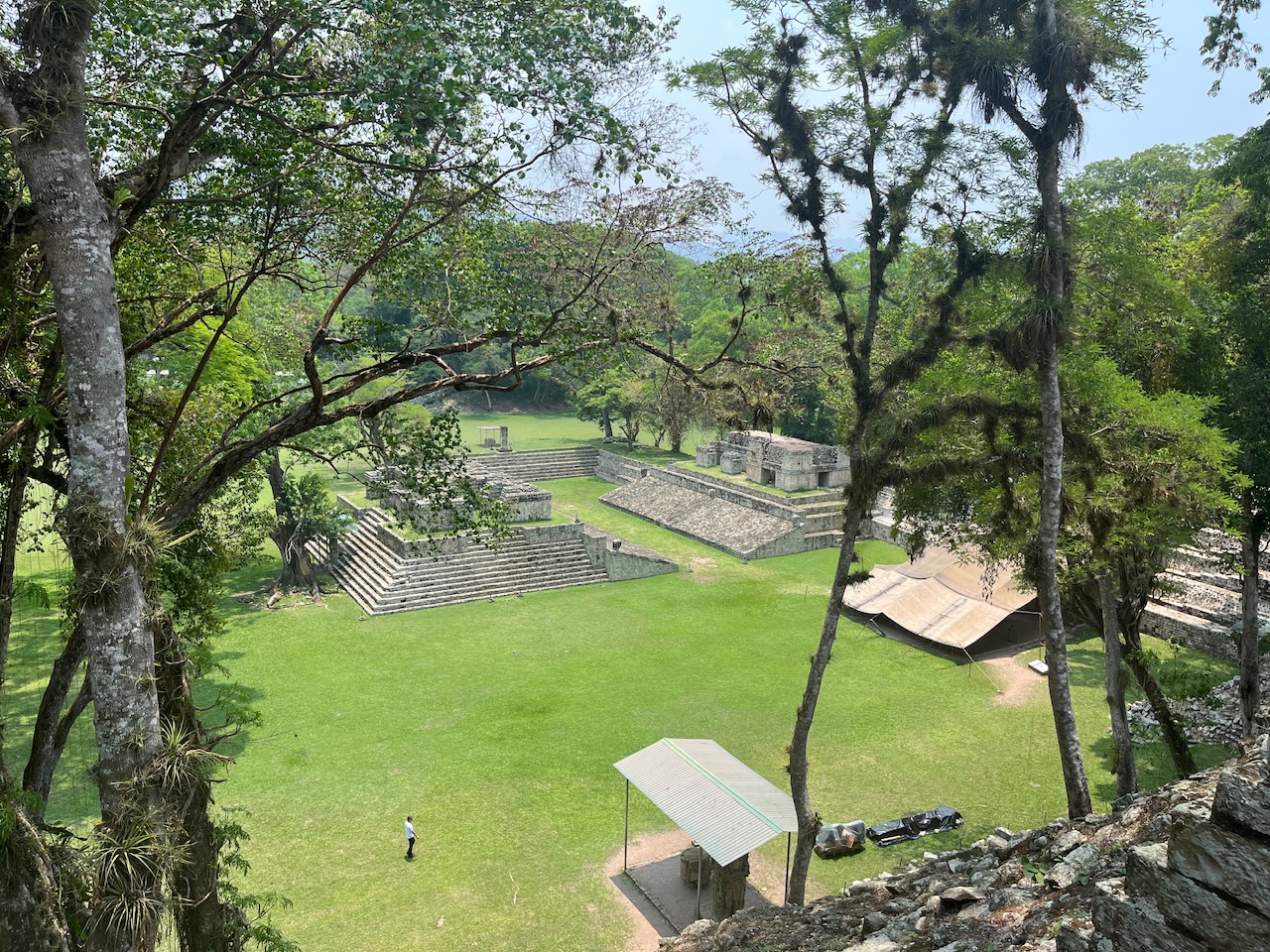
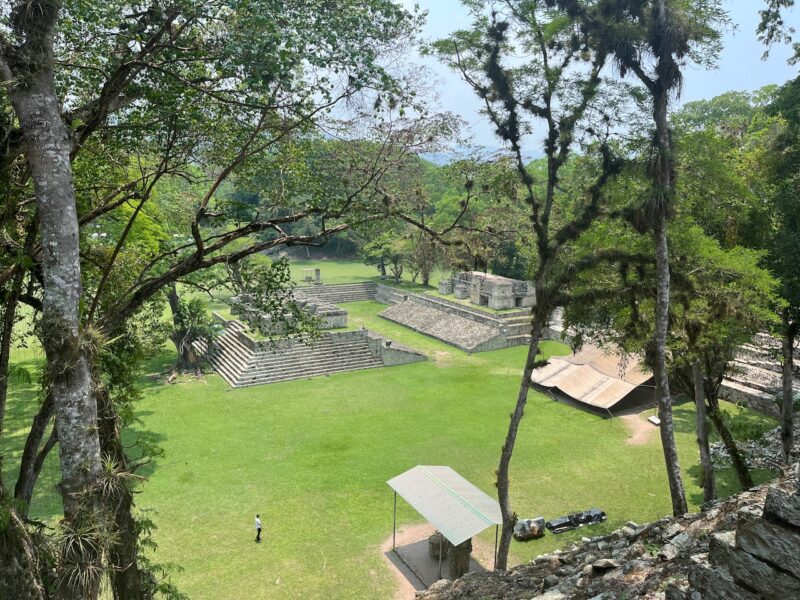
From Utila it was another long day of boat and bus to the town of Copan Ruinas, an aptly named place where the ruins of the Mayan kingdom of Copan are found. I made some Austrian friends on the miserable bus ride over, and since we were staying in the same hotel, we spent the next 36 or so hours together. Basically, I forced myself on them because I was lonely.
The ruins themselves were incredible, made all the more so by our guide who spent four hours with us answering our questions on the advance and decline of the empire, on the local flora and fauna, and a whole bunch of other things. The tour was estimated to take 1.5-2 hours, so he was quite generous with his time, for which we were grateful. Mayan mythology shares a lot of themes with that of the Aztecs (kinda like Greek and Roman mythology), and has fewer but still quite a few similarities to Inca mythology. That said, I still find Inca mythology by far the most interesting.

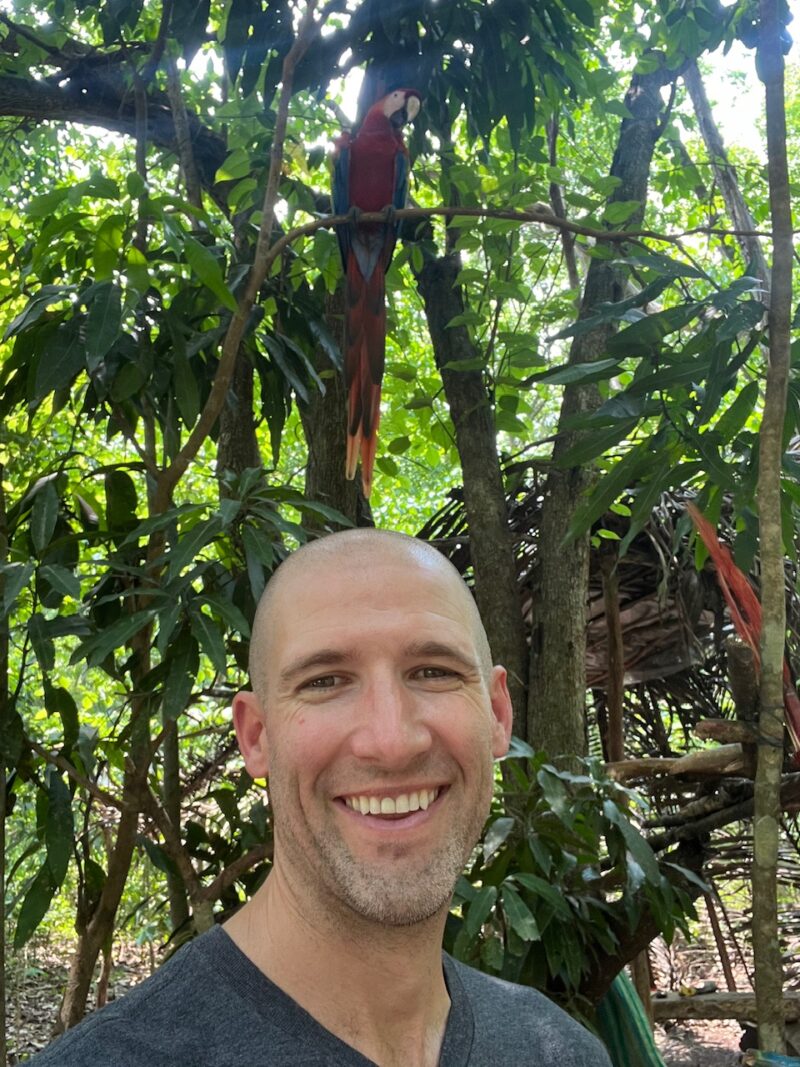
(Macaws are so beautiful!)