
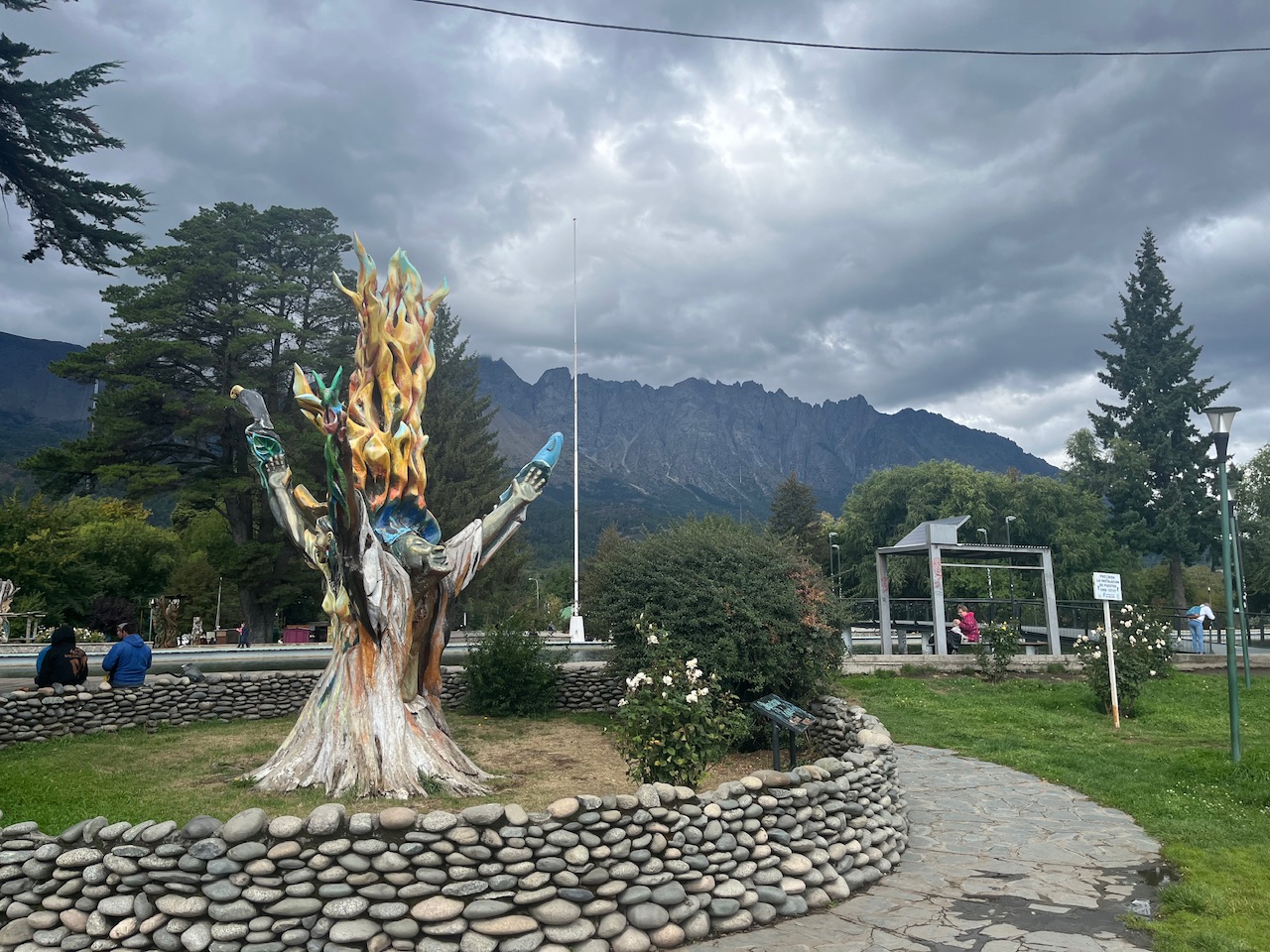
I’d be remiss if I failed to mention the towns I’ve passed through on the trip in Argentina, particularly because I’ve really liked them. By town, I mean the broadest sense of the term, encompassing everything from say 10,000 people to Buenos Aires, which, at roughly 15 million, houses about a third of all people living in Argentina.
Where I’ve been:
- Esquel
- Cholila
- El Bolson
- Bariloche
- Buenos Aires
- Salta
- San Salvador de Jujuy
- Humahuaca
- La Quiaca
Esquel and El Bolson are towns of roughly 20-30,000 which have taken the concept of grid cities and followed it almost religiously, yielding towns that are very easy to understand and navigate. And they both happen to radiate “chill”, El Bolson to a slightly greater extent, but Esquel as well. Main squares packed with small shops of all kinds, with a burgeoning coffee scene offering proper coffee (not the instant shit like in Chile (except Santiago)) to the wealthy tourists willing to pay three bucks for it. And to the budget-conscious backpackers who will eat instant noodles for dinner to save a buck but still prize their morning cappuccino. I can appreciate it!

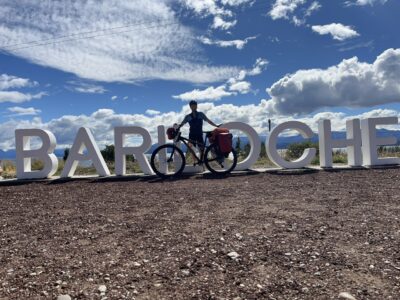
Buenos Aires is of course an entirely different story. A story riddled with dengue as it turns out, and as I’ve mentioned before. BA has neighborhoods that could be in Paris or Milan, cafes and bars that could be in Berlin, etc. A very cool city with a very European vibe.
Salta was cool too, there’s a culture of live folk music at restaurants which is fantastic. I joined up with a group after a walking tour and we went to one of the more famous places. The music was great, and we got a kick out of the people getting seated after midnight who were still planning to eat dinner. The Argentines eat late!
On the same walking tour we learned that most cities in Argentina are based on grids, oriented around a main square, which is in turn oriented around the church. A gift from the Spaniards. The uniformity is something I’ve noted and which, to me at least, gives the cities a very Argentinean vibe.
The smaller towns, talking less than a thousand people, feel like they’ve been forgetten, lost in time. The rhythm is glacial, nothing seems to happen, and I can’t help but wonder how they still exist.
Final note: given the inflation crisis and the fact that banks can’t stock enough cash, one thing shared by all cities is long queues at banks. Everywhere I’ve been, there are people standing in long lines, probably keeping their fingers crossed that the bank hasn’t run out of cash before it’s their turn. This probably contributes to the “chill” vibe, as there’s no way you wait that long unless you aren’t in a hurry!